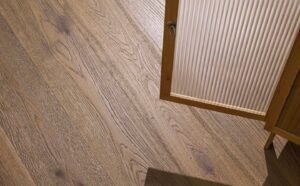
Choosing the right flooring is one of the most important decisions when renovating or designing a home. With so many materials available today, homeowners often compare engineered wood flooring and SPC flooring to determine which option offers the best combination of durability, style, and long-term value.
Both flooring types have become increasingly popular in modern interiors. According to home design experts at HGTV, engineered wood flooring remains a top choice for homeowners who want the authentic appearance of hardwood with improved stability compared to traditional solid wood floors.
SPC flooring, on the other hand, is a newer rigid core flooring material known for its waterproof construction and high durability. While both options offer practical benefits, they serve different needs depending on the space, budget, and design preferences.
In this guide, we compare engineered wood flooring vs SPC flooring, exploring their construction, durability, appearance, and overall value to help you decide which flooring solution is best for your home.
What Is Engineered Wood Flooring?
Engineered wood flooring is made from a real hardwood veneer layered over a plywood or fiberboard core, creating a stable and durable flooring material. The top layer is genuine hardwood, which gives the floor the authentic texture, grain, and warmth of natural wood.
Because of its layered construction, engineered wood is more stable than solid hardwood and less likely to expand or contract with humidity changes.
Key Features
- Real hardwood surface
- Natural wood grain and texture
- More stable than solid hardwood
- Can sometimes be refinished depending on veneer thickness
- Adds premium value to homes
Engineered wood flooring is commonly used in living rooms, bedrooms, and dining areas where a natural and elegant look is desired.
What Is SPC Flooring?
SPC flooring stands for Stone Plastic Composite flooring, a type of rigid vinyl flooring. It has a core made from limestone powder, plastic polymers, and stabilizers, creating a dense and highly durable material.
SPC flooring is designed to imitate natural materials such as wood or stone using high-definition printing layers.
Key Features
- Rigid stone-plastic composite core
- Waterproof construction
- Resistant to scratches and dents
- Click-lock installation system
- Lower cost compared with real wood flooring
SPC flooring is commonly used in kitchens, bathrooms, basements, and high-traffic areas where moisture resistance is important.
Engineered Wood vs SPC Flooring: Key Differences
1. Appearance and Authenticity
Engineered wood flooring features a genuine hardwood surface, which gives it the authentic look and feel of real timber. Each plank has natural variations in grain and color, creating a warm and sophisticated appearance.
SPC flooring, on the other hand, uses printed designs to imitate wood textures. Modern manufacturing techniques can create realistic visuals, but it still lacks the depth and natural character of real wood.
✔ Best for appearance: Engineered wood flooring
2. Durability and Impact Resistance
SPC flooring is extremely durable thanks to its rigid composite core. It resists dents, scratches, and heavy foot traffic very well, making it suitable for busy households or commercial environments.
Engineered wood flooring is durable for residential use, but because its top layer is real wood, it can be scratched or dented by heavy furniture, high heels, or pet claws.
However, high-quality engineered wood can often be refinished, extending its lifespan and restoring its appearance.
✔ Best for heavy traffic: SPC flooring
3. Water Resistance
One of the biggest differences between the two materials is water resistance.
SPC flooring surface is completely waterproof, meaning it will not swell, warp, or buckle when exposed to moisture.
Engineered wood flooring is more moisture-resistant than solid hardwood but is not 100% waterproof. Excessive water exposure can cause swelling or damage over time.
✔ Best for wet areas: SPC flooring
4. Comfort and Feel
Engineered wood flooring provides a warmer and more natural feeling underfoot because it is made with real wood. It also tends to absorb sound better, creating a quieter and more comfortable environment.
SPC flooring is denser and more rigid. While durable, it can feel harder and slightly colder, similar to tile or laminate flooring.
✔ Best comfort: Engineered wood flooring
Which Flooring Should You Choose?
Both flooring types have advantages, but the best choice depends on your priorities.
Choose Engineered Wood Flooring if you want:
- Authentic natural wood appearance
- Warm and comfortable flooring
- Increased home value
- A timeless interior design
Choose SPC Flooring if you need:
- High Waterproof performance
- High scratch resistance
- Budget-friendly flooring
- Quick and easy installation
Final Thoughts
Engineered wood flooring and SPC flooring both offer modern durability and attractive design options. However, they serve different purposes.
SPC flooring excels in moisture resistance and durability, making it ideal for utility spaces and high-traffic areas. Engineered wood flooring, on the other hand, provides the beauty, warmth, and authenticity of real wood, making it a preferred choice for living spaces and premium interiors. Proper care can extend the lifespan of wood floors. Learn more in our engineered wood floor maintenance guide.
For homeowners who value natural materials and timeless style, engineered wood flooring remains one of the most elegant and long-lasting flooring solutions available.
If you’re looking for natural and elegant flooring, explore our engineered wood flooring collection for a wide range of premium designs.